In short
Start choosing a car with your annual mileage, type of routes, number of passengers, luggage, parking and total budget for ownership. Only then choose the body style, powertrain, engine, gearbox and equipment, while checking the reliability and safety of the specific model.
Describe your everyday driving
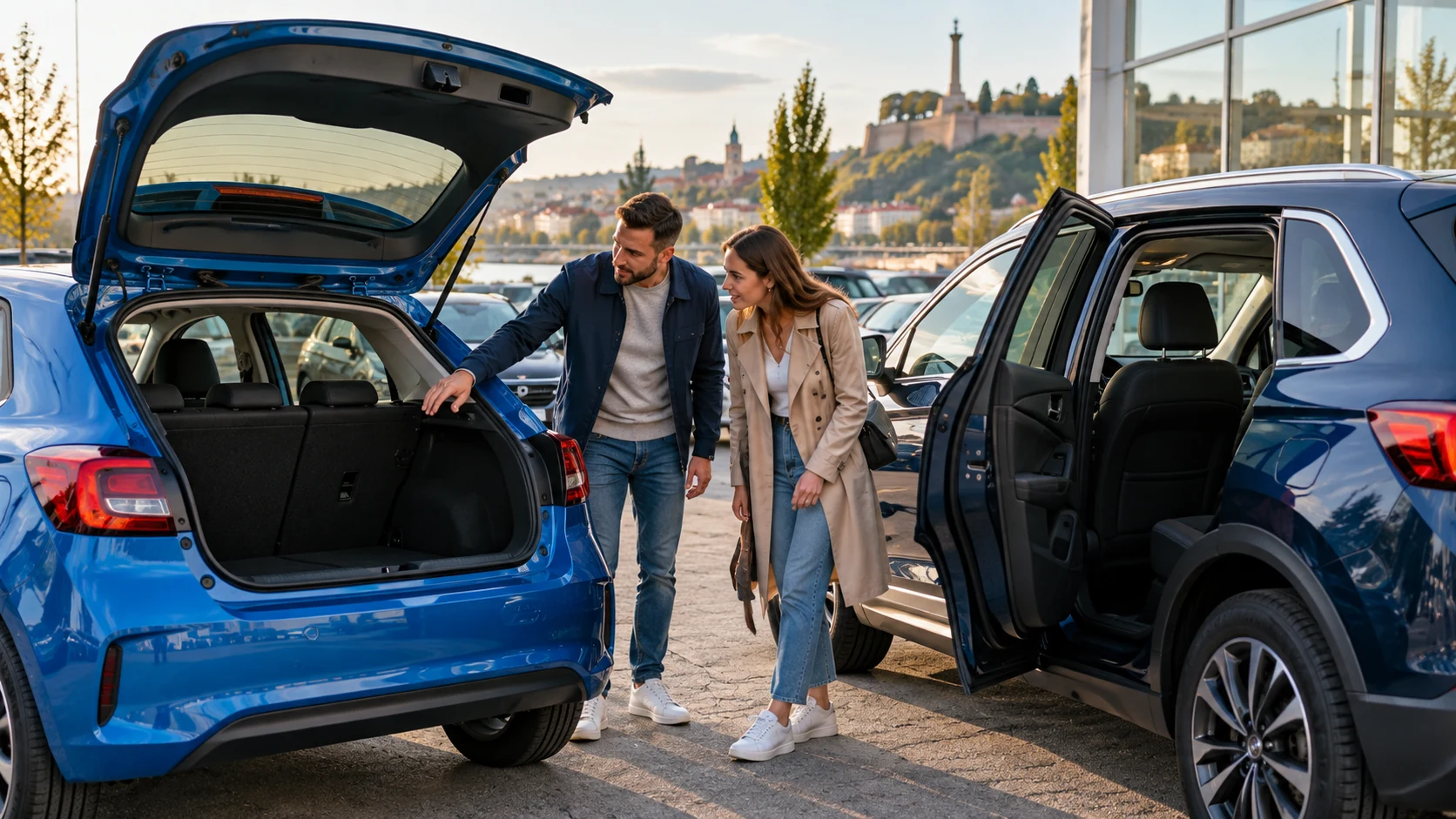
How many people travel, how long is your most common route, do you have your own parking space and how often do you use the highway? Measure child seats, strollers and the garage entrance instead of relying on the vehicle category.
If you need a large trunk twice a year, compare the cost of a bigger car over the whole year with an occasional roof box or another solution.
Engine and powertrain follow how you use the car
Short city trips, long highway drives, cold starts and the option of charging at home create different conditions. No single powertrain is best for everyone.
Include service availability, maintenance cost, real consumption and the limits of the specific technology in your decision.
The purchase price is not the monthly cost
Add registration, insurance, regular and unexpected maintenance, tires, fuel or electricity, parking and financing. A cheaper car with an unknown history can be more expensive after the first year.
Leave a reserve for an initial service and wear parts, especially with a used vehicle.
Check safety independently
The Euro NCAP rating covers protection of occupants and vulnerable road users and assistance systems, but the protocols change. Compare vehicles tested under a similar protocol and check the exact equipment of the specific car.
A test drive should confirm the seating position, visibility, controls and comfort, not only engine power.
Key points
Three things to remember
- 01
Base your choice on 80 percent of your driving.
- 02
The budget includes registration, insurance, servicing, tires and energy.
- 03
Check the safety rating for the exact generation and equipment.
FAQ
Straight answers
Is an SUV always a better family car?
No. Space, access, safety, consumption and dimensions vary by model. Measure your actual needs and the vehicle.
Diesel, petrol, hybrid or electric?
The answer depends on your routes, mileage, charging, budget and how long you plan to own the car. Do not choose based only on the current price of fuel.
How much budget should I leave after the purchase?
Enough for the transfer, registration, insurance, an initial service and an unexpected finding. The exact amount depends on the vehicle.
Sources and further reading
This article is informational. Check regulations, conditions and changing figures before a specific procedure.