In short
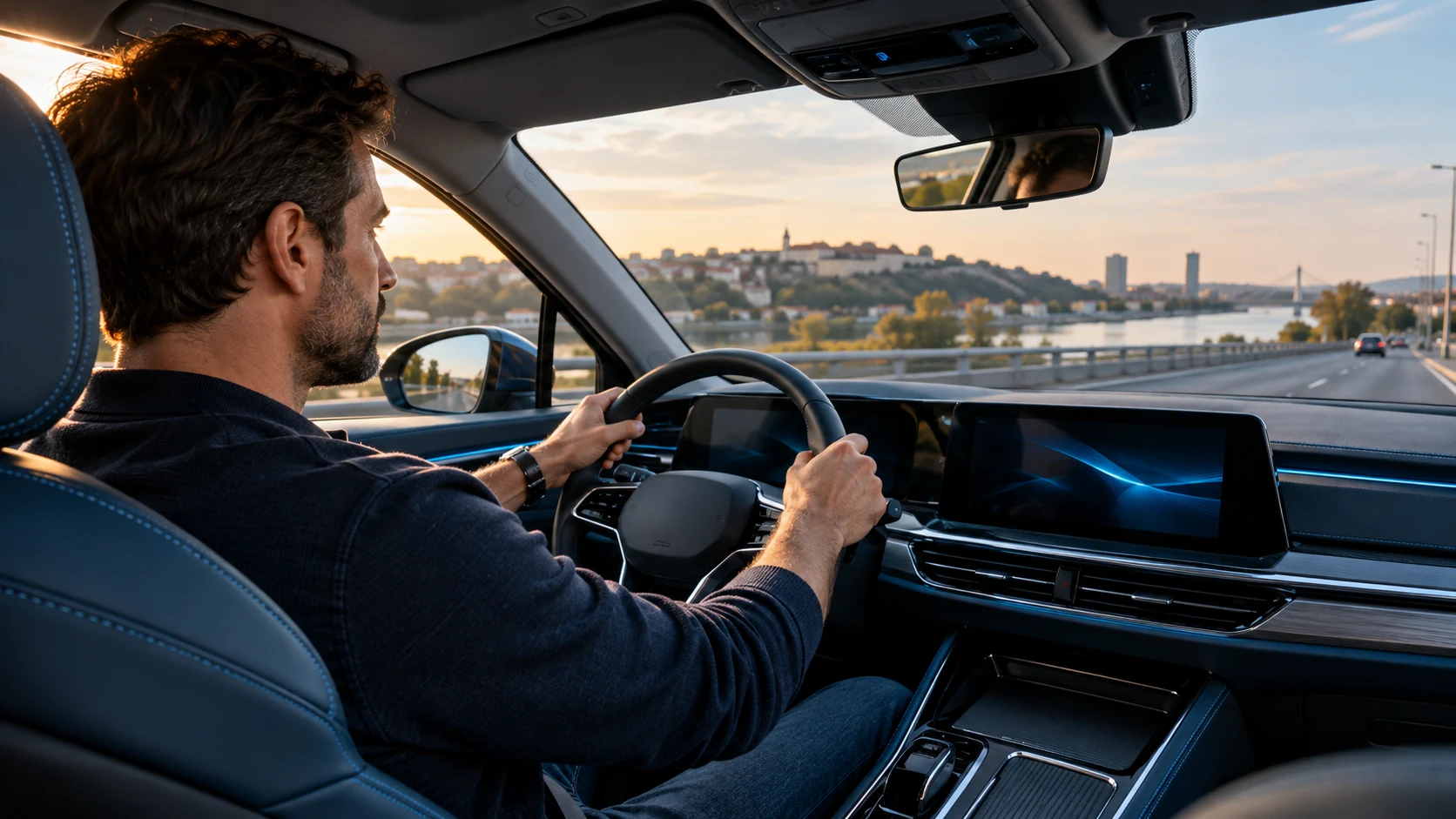
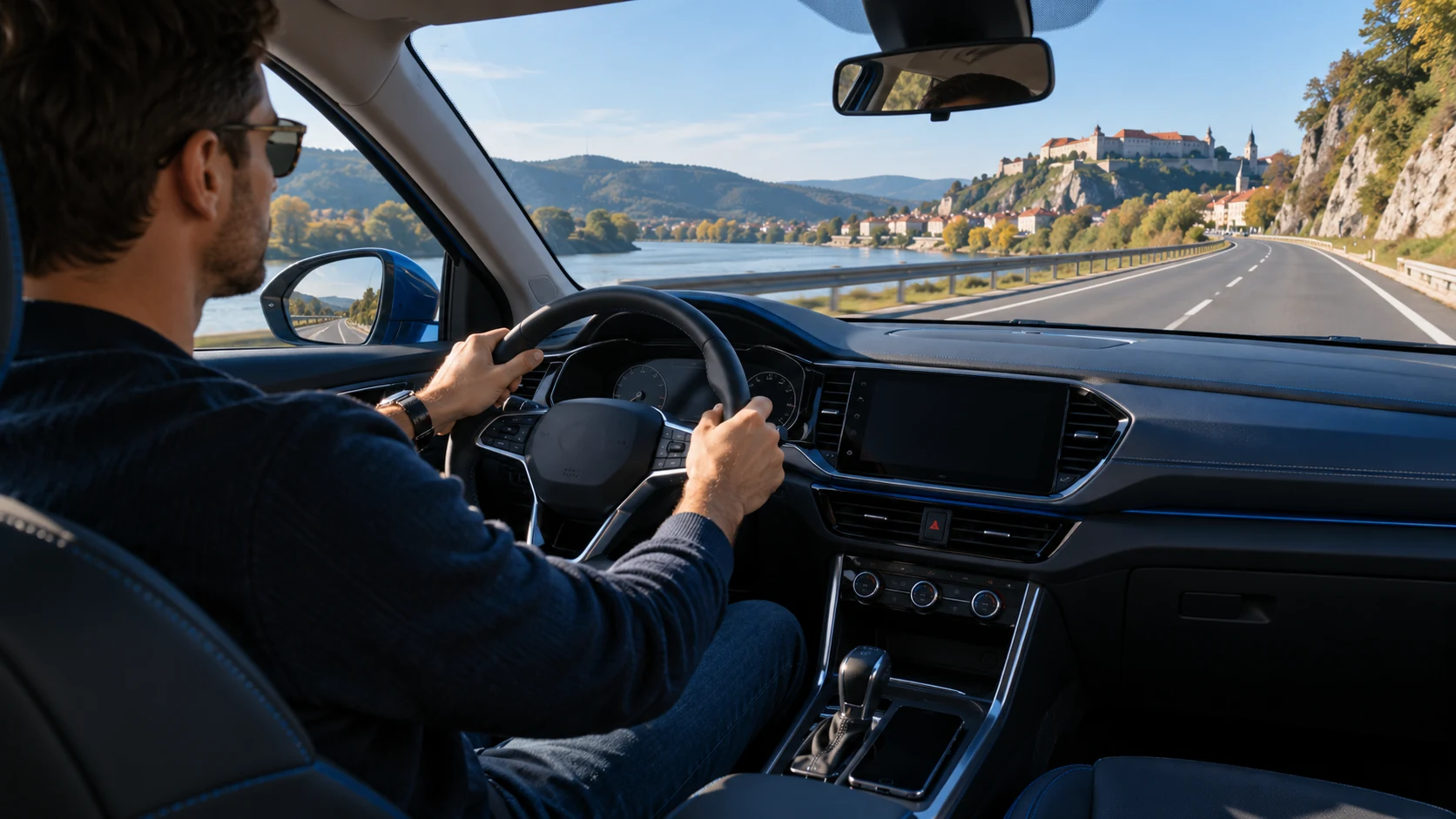
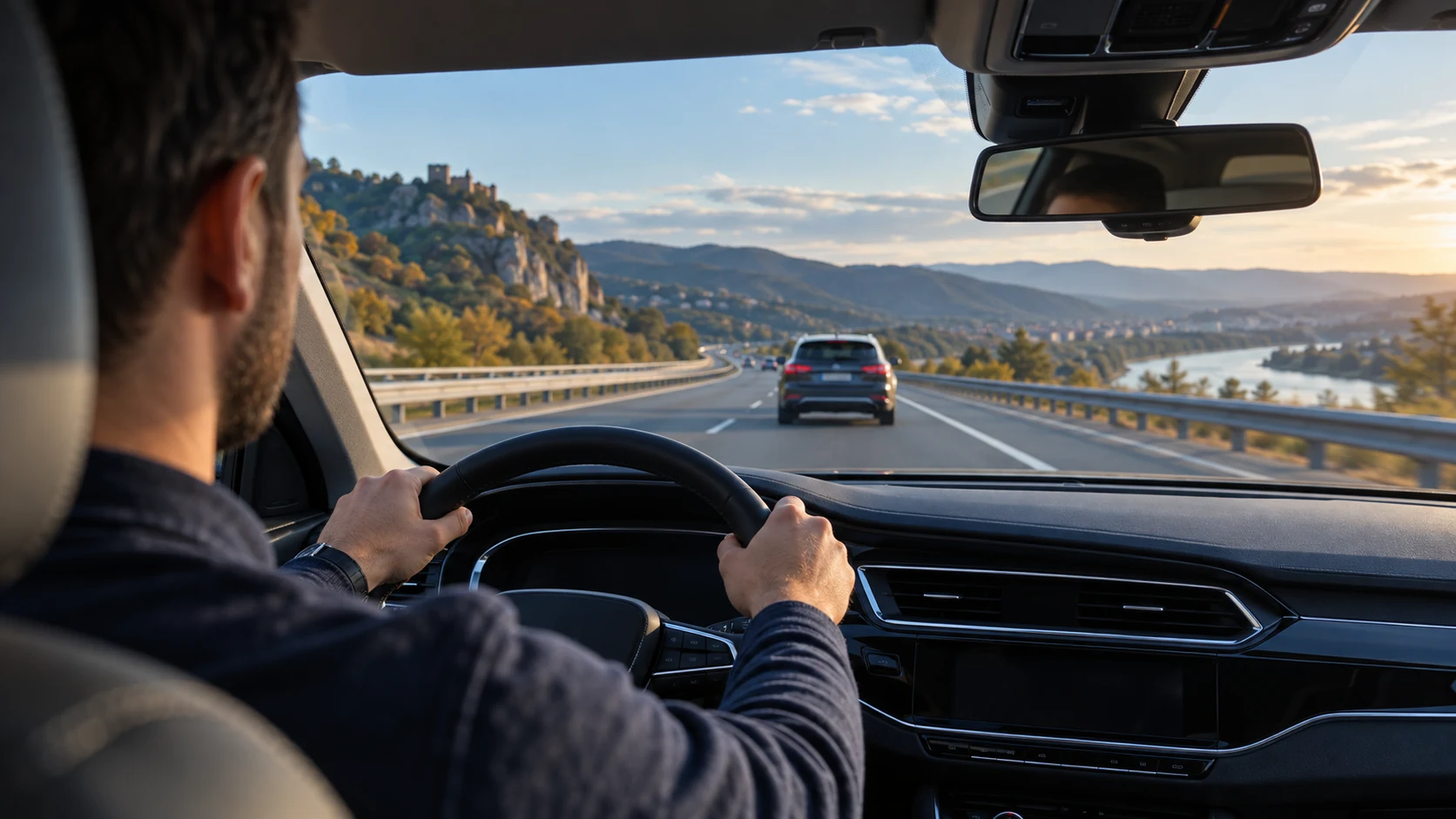
Assistance systems can maintain distance, warn of leaving the lane or brake in certain situations, but the driver must watch the road, stay in control and be ready to react immediately. The limits depend on the vehicle, equipment, sensors, road markings and weather.
Assistance is not a replacement for supervision
Euro NCAP assesses both how much a system helps and how well it keeps the driver engaged. A good system does not create the false impression that the car can handle every situation on its own.
The driver remains responsible for speed, direction, surroundings and intervention. The name of a function in an advertisement does not change the level of automation stated in the manual.
Sensors have physical limits
A camera may recognize faded lines less well, a radar may be covered by snow or dirt, and sun, rain and fog can limit the system. The vehicle usually reports some of these limits, but the driver must judge the conditions.
After replacing the windshield, an impact or work on the suspension, certain systems may need a check or calibration.
The most dangerous moment is overconfidence
When a system works well for a long time, attention can weaken. An unexpected obstacle, roadworks or a vehicle cutting into the lane requires a quick human reaction.
Do not use the time for messages or other tasks. Your hands and eyes should be ready to take over.
How to get to know a function safely
Read the manual, switch the system on in good conditions and learn how it warns you and how it turns off. Start on a simple stretch without relying on it.
If an error appears or the function reacts oddly, clean the accessible sensors as the manual says and book a check. Do not attempt calibration through random adjustments.
Key points
Three things to remember
- 01
Read the manual and learn the limits of your specific system.
- 02
Do not take your attention off the road because assistance is switched on.
- 03
A dirty, damaged or wrongly calibrated sensor can limit the function.
FAQ
Straight answers
Does adaptive cruise control stop the vehicle in every situation?
No. Capabilities and limits vary, and the driver must be ready to brake and steer.
Can I drive hands-free if the car has lane keeping?
No, unless the manufacturer expressly offers and permits a different function under precisely defined conditions. Common systems require constant driver supervision and control.
Why is the system suddenly unavailable?
Possible reasons are bad weather, a covered sensor, unclear markings, a fault or conditions outside the operating range. Check the message and the manual.
Sources and further reading
This article is informational. Check regulations, conditions and changing figures before a specific procedure.