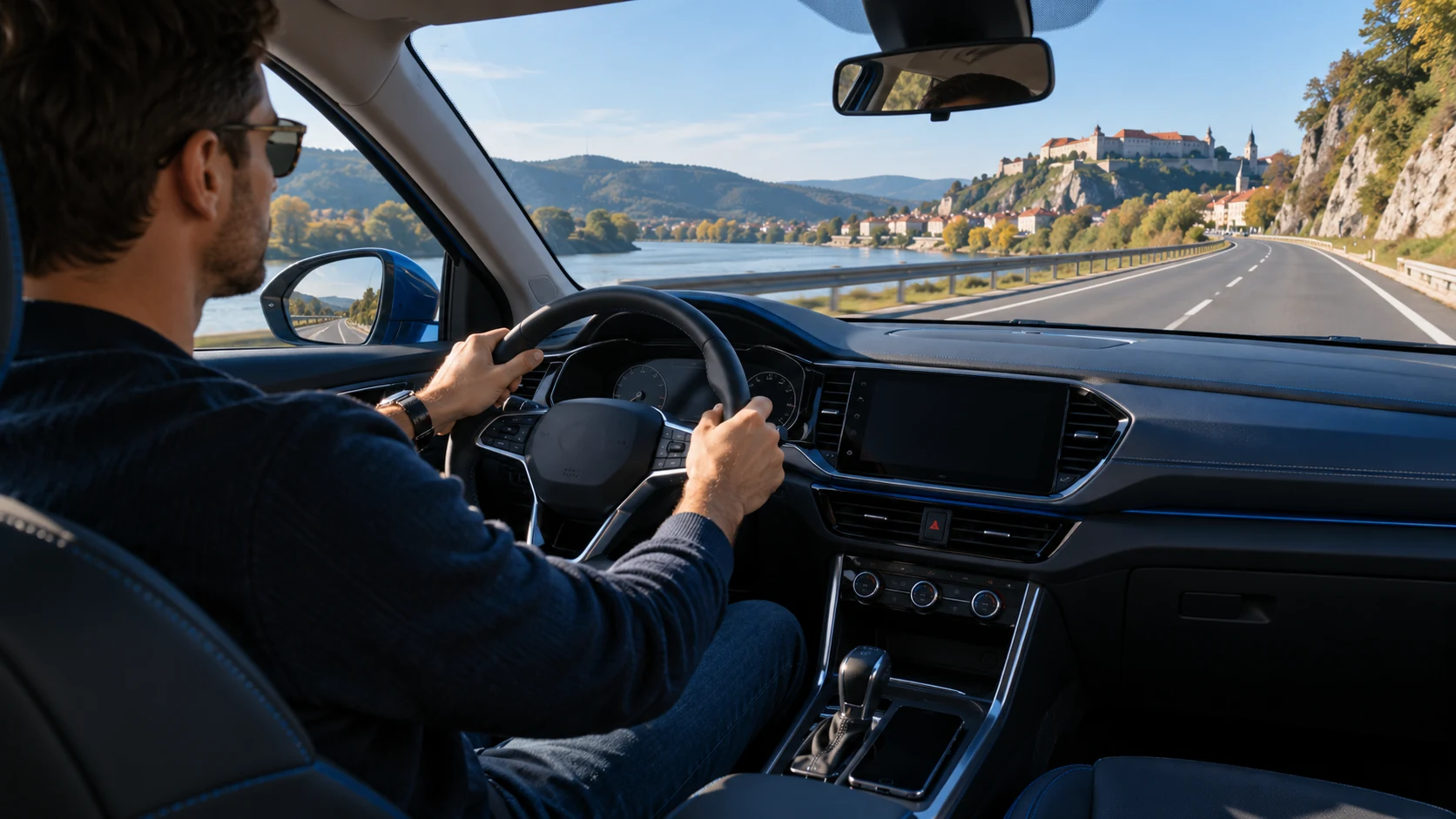
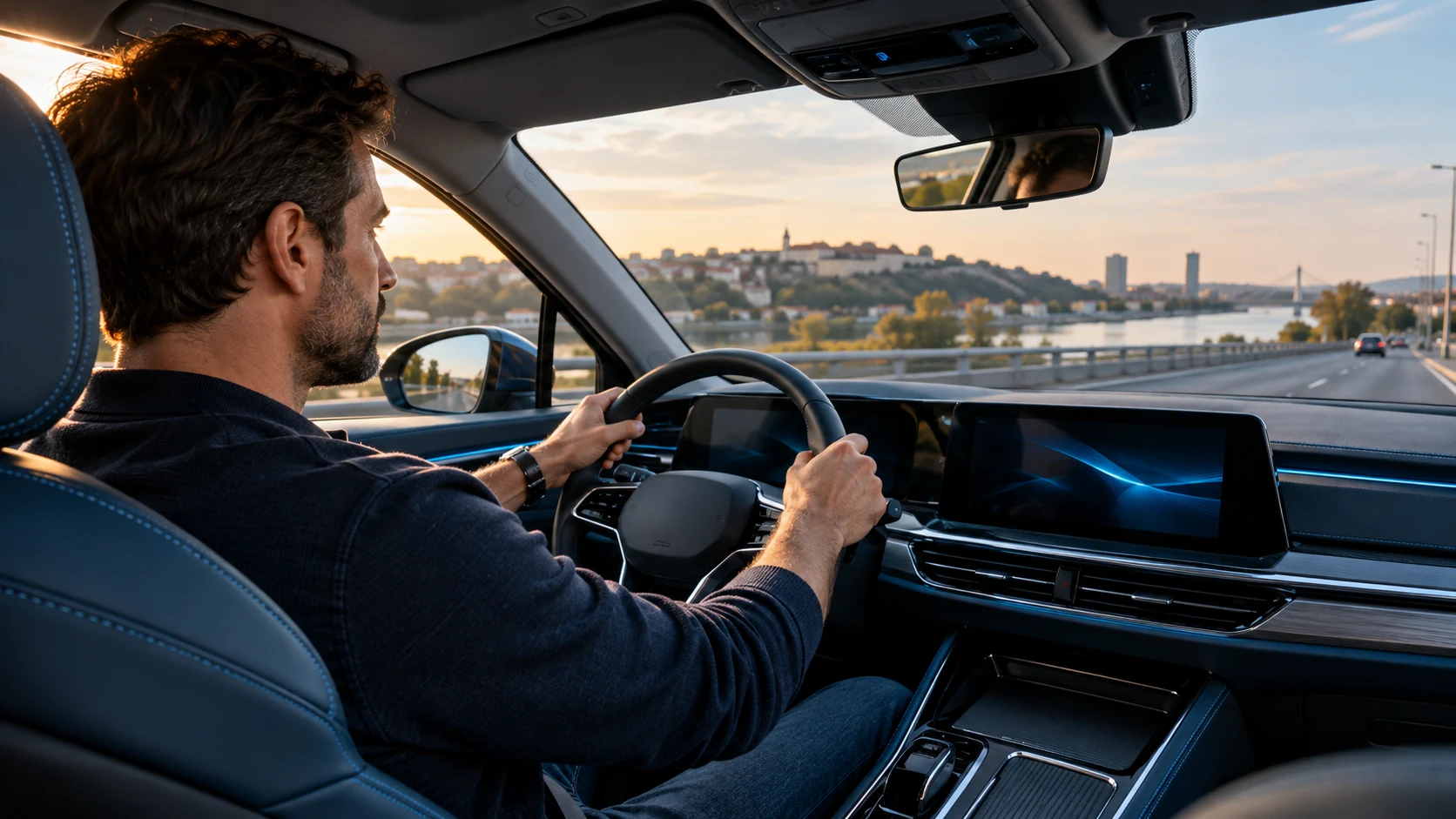
In short
AI in a car can recognize patterns, support safety functions, process voice commands and personalize the experience. It does not understand the road as a person does and can make mistakes because of data, conditions and sensor limits, so the driver must stay in control and take a critical view of the system's recommendations.
AI is already in functions we do not always call AI
Object recognition, driver behavior assessment, voice commands, route recommendations and predictive maintenance use models and data processing. The benefit lies in quickly spotting a pattern a person might miss.
Quality depends on sensors, data, software and conditions. A system that works well by day on a clear road may be less reliable in snow or roadworks.
A good system does not hide its limits
The driver should know when a function is active, what it sees, when it asks for a takeover and what happens if the person does not respond. Vague messages and marketing names can create the wrong mental model.
That is why Euro NCAP looks at the balance of assistance and driver engagement, as well as backup measures when the system or the person fails.
Driving data has value and consequences
A connected vehicle can record location, habits, contacts, voice commands and technical data. Before linking an account, read the permissions and set sharing to the level you need.
When selling or renting out the vehicle, delete personal profiles, addresses and paired phones as the manufacturer instructs.
The healthiest relationship is cooperation with clear responsibility
Technology is good when it warns early, reduces the workload and gives an explainable signal. A person is needed for context, for moral and legal responsibility and for decisions in unforeseen situations.
The goal is not for the driver to compete with the car, but to know when to accept help, when to check it and when to switch it off.
Key points
Three things to remember
- 01
Use AI as help and an additional signal, not as an infallible authority.
- 02
Check what data the vehicle and connected apps collect.
- 03
A safe function must show its limits clearly and return control to the person.
FAQ
Straight answers
Can an AI car make all the decisions on its own?
Most vehicles on the road offer assistance systems, not full autonomy. The driver must understand the level of the function and keep supervising.
Does the vehicle store my data?
Connected functions can store various data. Check the manufacturer's policy, the app and the privacy settings.
Does a software update change how the system behaves?
It can. Read the update description and the manual, and after major changes get to know the function again in safe conditions.
Sources and further reading
This article is informational. Check regulations, conditions and changing figures before a specific procedure.